Agentic software development with bounded authority
Engineer agents through explicit goals, typed tools, controlled state, least privilege, budgets, evaluation and recoverable execution.
 Tony Kim Founder and CEO Read guide
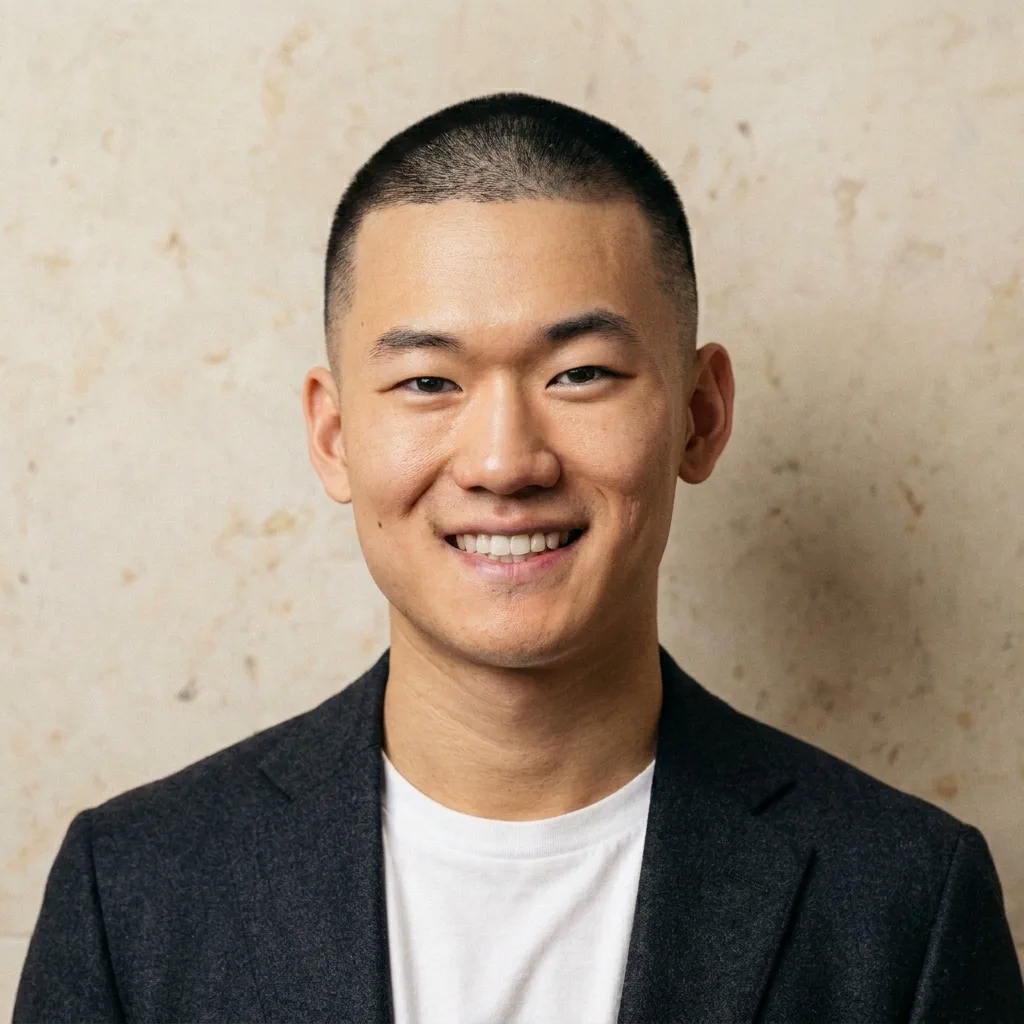
Founder and CEO
Tony writes about applied AI, dependable product engineering and the systems that turn complex response work into controlled delivery.
View on LinkedInTony Kim is the founder and CEO of Zephior. He works across product, engineering and commercial delivery, with a focus on turning language-heavy work into software that can be evaluated, operated and improved.
Before founding Zephior, Tony worked with enterprise financial-technology customers at Ripple. His perspective combines software architecture, AI evaluation and direct experience with complex RFP and buyer-response processes.
299 guides
Engineer agents through explicit goals, typed tools, controlled state, least privilege, budgets, evaluation and recoverable execution.
Tony Kim Founder and CEO Read guide Engineer AI software with behavioral contracts, deterministic control planes, evaluation evidence, safe delivery, observability and accountable operations.
Tony Kim Founder and CEO Read guide A practical method for selecting, designing and operating AI workflow automation with explicit state, evidence, exceptions, review and ROI.
Tony Kim Founder and CEO Read guide Build the summary from evaluated decisions and approved proof, then remove unsupported claims, repetition and promises the detailed response does not carry.
Tony Kim Founder and CEO Read guide Reconcile parallel changes to scope, resources and price against one common baseline, then approve the exact combined version without overwriting decisions.
Tony Kim Founder and CEO Read guide Remove the clues that expose a customer or person, retain the facts that prove relevant experience, and approve one tested version for one release context.
Tony Kim Founder and CEO Read guide Separate current footprint, verified controls, future targets and contract actions so every environmental claim has a boundary and proof.
Tony Kim Founder and CEO Read guide Build the answer from one defined AI use case, its decision role, data, providers, human controls, evaluations, operating records and approved legal position.
Tony Kim Founder and CEO Read guide Explain how priority work continues through disruption, with tested people and supplier arrangements, bounded reduced service and a controlled return.
Tony Kim Founder and CEO Read guide Build the response from a bounded source inventory, mapping rules, quality tolerances, rehearsals, rollback logic and acceptance evidence.
Tony Kim Founder and CEO Read guide Explain system recovery scope, targets, dependencies, procedures and test evidence without confusing plans, capabilities and contractual promises.
Tony Kim Founder and CEO Read guide Show who decides what, on which evidence, within what limits and how the decision is recorded and escalated, rather than listing meetings and job titles.
Tony Kim Founder and CEO Read guide Build an implementation answer around outcomes, work stages, dependencies, decisions, acceptance evidence and clear accountability.
Tony Kim Founder and CEO Read guide Write a credible integration answer from known contracts, bounded assumptions, failure behavior, operational ownership, test evidence and controlled change.
Tony Kim Founder and CEO Read guide Turn proposed names into a deliverable-linked staffing schedule. Test workload, assignment authority, delayed starts and replacement arrangements.
Tony Kim Founder and CEO Read guide Build a conditional privacy-role schedule that shows how each open design choice changes purposes, party roles, duties and bid wording.
Tony Kim Founder and CEO Read guide Show how requirements become preventive controls, verification evidence, acceptance decisions and corrective action, with owners and records at each step.
Tony Kim Founder and CEO Read guide Test one promised AI safeguard against operating records. Reconcile the cases, examine exceptions and write only the claim the results support.
Tony Kim Founder and CEO Read guide Turn buyer demand into a reproducible load model, then state tested capacity, overload behavior and the expansion path without exposing sensitive topology.
Tony Kim Founder and CEO Read guide Build a scored security architecture answer from approved system views, threat decisions, scoped assurance evidence and controlled disclosure.
Tony Kim Founder and CEO Read guide Build an approved service-level commitment that fixes the metric, clock, exclusions, remedy, price and owner before it enters the offer.
Tony Kim Founder and CEO Read guide Explain who receives, owns and resolves support requests, including shift changes, supplier delays and the hours actually covered by the offer.
Tony Kim Founder and CEO Read guide Build a role-by-role plan that connects practice to correct work, separates attendance from adoption and makes buyer dependencies and measures explicit.
Tony Kim Founder and CEO Read guide Define day-one service, dependencies, workstreams, continuity controls and evidenced readiness gates instead of submitting a decorative timeline.
Tony Kim Founder and CEO Read guide Build a question-subpart coverage record that finds nested asks, tests the response against each instruction and exposes omissions before submission.
Tony Kim Founder and CEO Read guide Map every relevant data copy, processing path and access location, then answer only the residency boundary that current evidence supports.
Tony Kim Founder and CEO Read guide Test discount triggers, stacking, duration and payment terms. Calculate lost contribution and the extra volume needed before approving a tender concession.
Tony Kim Founder and CEO Read guide Resolve price, margin, funding and exceptions with the right approvers. Record the exact commercial offer and the changes that require renewed approval.
Tony Kim Founder and CEO Read guide Define exact wording, permitted fallbacks, exposure limits and approval authority before a contract deviation enters the released tender response.
Tony Kim Founder and CEO Read guide Turn one proposal claim into a precise evidence request that an expert can answer, a reviewer can inspect and a writer can use without overstating the proof.
Tony Kim Founder and CEO Read guide Obtain a material buyer fact through a neutral tender question without unnecessarily exposing your solution, price logic or competitive position.
Tony Kim Founder and CEO Read guide Identify the guarantor’s actual obligations, cash and performance capacity, approval route and release conditions before promising parent support.
Tony Kim Founder and CEO Read guide Check the required bond, issuer approval, fees, tied-up cash, reimbursement exposure and release conditions before committing to provide it.
Tony Kim Founder and CEO Read guide Test one proposed consortium against member, collective, performer and evidence rules, then issue a sourced eligibility decision with open conditions.
Tony Kim Founder and CEO Read guide Reproduce the buyer’s turnover, ratio and insurance tests for the right entities and periods, with evidence, margins and unresolved conditions.
Tony Kim Founder and CEO Read guide Measure switching friction, information gaps and scoring opportunity before treating an incumbent supplier as either unbeatable or irrelevant.
Tony Kim Founder and CEO Read guide Test each project reference against the tender’s recency, scope, value, entity and proof conditions before relying on it for eligibility.
Tony Kim Founder and CEO Read guide Give every tender clarification one accountable owner, the approvals its consequences require, and a release decision tied to the exact wording.
Tony Kim Founder and CEO Read guide Build a claim-specific authority matrix that separates source custody, factual validation, disclosure permission, commitments and final release.
Tony Kim Founder and CEO Read guide Choose who owns a cross-team RFP answer using evidence of competence, mandate, access and capacity, while preserving each specialist’s decision rights.
Tony Kim Founder and CEO Read guide Test every proposal citation from the evaluator’s side: source identity, version, locator, access, permission, support and the final rendered route.
Tony Kim Founder and CEO Read guide Define who may access the portal, upload files, make declarations, click submit and retain the receipt without surrendering bidder control.
Tony Kim Founder and CEO Read guide Explain a low tender price with cost evidence, delivery facts and lawful funding. Separate genuine savings from omissions before answering the buyer.
Tony Kim Founder and CEO Read guide Make each answer easy to score first, then add relevant proof and differentiation without hiding the requirement beneath sales language or unsupported claims.
Tony Kim Founder and CEO Read guide Protect enterprise commitments while adapting proof, delivery, regulation and value to the place where the buyer will actually use the service.
Tony Kim Founder and CEO Read guide Allocate confirmed expert hours to required decisions, evidence gaps and useful improvements. Protect review capacity and show which work remains unfunded.
Tony Kim Founder and CEO Read guide Connect quality choices, evidence, risk and evaluated price to the actual award method instead of treating every quality point as equally worth buying.
Tony Kim Founder and CEO Read guide Protect every pass condition and reproduce the evaluated price before reducing cost; extra quality cannot rescue a higher-priced acceptable offer.
Tony Kim Founder and CEO Read guide Turn several company capabilities into one buyer outcome, one delivery logic and one evidence trail without hiding who performs or proves each part.
Tony Kim Founder and CEO Read guide Verify every disqualifying condition against controlling instructions, admissible evidence and the final package independently from proposal quality review.
Tony Kim Founder and CEO Read guide Define roles, billable units and annual prices. Reconcile costs, locations and margins, and test blended rates before releasing a tender rate card.
Tony Kim Founder and CEO Read guide Convert each growth thesis into a named, testable monitoring line with official sources, evidence states, review triggers and retirement rules.
Tony Kim Founder and CEO Read guide Define the answers, evidence, decisions and production outputs behind each RFP question, with clear ownership, dependencies and completion tests.
Tony Kim Founder and CEO Read guide Match proof strength to claim consequence, so controlled records outrank unsupported recollection without making one source type universally superior.
Tony Kim Founder and CEO Read guide Map every buyer document by identity, purpose, status and relationship so people and agents can find the right source without inventing an order of precedence.
Tony Kim Founder and CEO Read guide Link each material proposal claim to its requirement, source, interpretation and approval so reviewers can verify substance instead of trusting polished prose.
Tony Kim Founder and CEO Read guide Connect each win theme to one published buyer concern, a real offer choice, relevant proof and the few evaluation decisions it can support.
Tony Kim Founder and CEO Read guide Preserve the agent answer as a lead, trace it to dated official evidence and verify each opportunity claim without hiding contradictions or broken links.
Tony Kim Founder and CEO Read guide Replace private discovery with a controlled evidence record, public context, neutral clarifications and explicit assumptions without inventing buyer motives.
Tony Kim Founder and CEO Read guide Map every certificate and document to submission, award and performance dates, then expose expiry, age and status gaps before they block the bid.
Tony Kim Founder and CEO Read guide Build a question-led review sequence that finds bid-stopping facts early, assigns specialist reading, and proves what the team has actually reviewed.
Tony Kim Founder and CEO Read guide Decide whether a tender uncertainty needs a buyer question, a temporary internal basis, a permitted qualification, a supplier decision or a stop.
Tony Kim Founder and CEO Read guide Select proof for the exact assessed claim, show why it applies to this offer, and place enough context beside the answer for an evaluator to use it.
Tony Kim Founder and CEO Read guide Choose a defensible set of tender lots by testing bid and award limits, hard gates, shared costs and every delivery combination the buyer could award.
Tony Kim Founder and CEO Read guide Verify the entity, sites, service boundary, standard, issuer and validity before using a certificate to support a claim in an RFP.
Tony Kim Founder and CEO Read guide Ask for the assessable meaning, scope, weighting, evidence or score boundary that is missing, without coaching the buyer or revealing your response strategy.
Tony Kim Founder and CEO Read guide Isolate unclear units, scope, quantities, formulas and evaluated totals, then ask neutral questions before assumptions become an incomparable or binding price.
Tony Kim Founder and CEO Read guide Identify the exact volume, competing instructions, count method and exclusions, then ask which limit controls and validate the rendered files.
Tony Kim Founder and CEO Read guide Define boundaries, owners, data, access, tests and acceptance before an unstated buyer dependency changes the proposed scope, price or schedule.
Tony Kim Founder and CEO Read guide Turn each unsupported proposal statement into a bounded evidence task, then support, narrow, qualify, replace, remove or block it before release.
Tony Kim Founder and CEO Read guide Turn every material open question into an evidenced decision, a named authority and a clear release consequence before the tender is approved.
Tony Kim Founder and CEO Read guide Produce a source-anchored delta register that separates package, structure and requirement changes from conversion noise before response work is updated.
Tony Kim Founder and CEO Read guide Classify a tender from its current notice and rules, then identify who may join, what is due now, and whether negotiation is permitted.
Tony Kim Founder and CEO Read guide Place approved assumptions in the required documents. Reconcile price, technical offer and contract, keeping private cost notes separate.
Tony Kim Founder and CEO Read guide Reconcile every official Q&A publication into one dated working baseline while retaining changed, omitted and superseded answers as evidence.
Tony Kim Founder and CEO Read guide Test one tender gap against internal cures, procurement rules, partner roles and commitment evidence before adding another company to the bid.
Tony Kim Founder and CEO Read guide Decide whether an older source still represents the fact you need, based on what can change, what did change and what the proposal will claim.
Tony Kim Founder and CEO Read guide Separate ambiguity, commercial disagreement and possible procurement breach, then use the right channel before a hidden deadline removes the choice.
Tony Kim Founder and CEO Read guide Classify every capability gap by tender consequence, cure path, deadline and authority before treating a high match percentage as a reason to bid.
Tony Kim Founder and CEO Read guide Test the exact certificate, covered entity, due event, equivalent route and evidenced issue date before making a controlled bid decision.
Tony Kim Founder and CEO Read guide Turn a long list of tender uncertainties into a short, authorized clarification backlog ordered by the decisions each buyer answer can change.
Tony Kim Founder and CEO Read guide Connect acceptance tests, buyer decisions, defects and retesting to delivery cost and payment dates before approving the tender price.
Tony Kim Founder and CEO Read guide Define when a bid issue must leave its owner, who can decide, how long a response may take and what is permitted if no usable decision arrives in time.
Tony Kim Founder and CEO Read guide Describe credible buyer outcomes without inventing current costs or performance by labelling scenarios, exposing assumptions and planning baseline verification.
Tony Kim Founder and CEO Read guide Map bid outputs to accountable roles, contributors and scoped decision rights. Test missing owners, conflicting duties and unaccepted handoffs before use.
Tony Kim Founder and CEO Read guide Place proposal reviews where evidence is ready and correction is still possible. Define entry criteria, decision authority, limited progress and reopening.
Tony Kim Founder and CEO Read guide Distinguish duplicate representations from notice versions, related procedure events and separate lots without hiding source evidence.
Tony Kim Founder and CEO Read guide Assess a reusable answer as a set of claims and dependencies, then patch, restrict, rewrite or retire it before the next proposal reuses outdated content.
Tony Kim Founder and CEO Read guide Build a dated renewal hypothesis from official contract records, options, changes and buyer plans without claiming that a future tender is certain.
Tony Kim Founder and CEO Read guide Win on method, proof and delivery logic while removing direct, inferential and file-level identity signals the buyer has prohibited.
Tony Kim Founder and CEO Read guide Use the buyer’s fixed fields as an evaluation interface, then place specific choices, proof and value inside the permitted structure without breaking it.
Tony Kim Founder and CEO Read guide Decide whether an adverse fact belongs in the bid, state its exact scope, prove corrective action and stop claims that could mislead the buyer.
Tony Kim Founder and CEO Read guide Build and test a source-linked bilingual search sheet, then reserve legal and commercial interpretation for verified original-language evidence.
Tony Kim Founder and CEO Read guide Classify tender passages by actor, stage, condition and consequence so agents can separate bidder duties from useful context.
Tony Kim Founder and CEO Read guide Separate notice publication from document release, access gates and usable files, then record the next check without guessing.
Tony Kim Founder and CEO Read guide Establish incorporated versions, scoped precedence rules and effective amendments so delivery can trace the provision governing each question.
Tony Kim Founder and CEO Read guide Use relevant base rates, evidence ranges, explicit uncertainty and outcome calibration instead of attaching decorative percentages to live bids.
Tony Kim Founder and CEO Read guide Build a portal-specific critical path from the supplier’s current state to verified tender access, including validation, support and a protected handoff.
Tony Kim Founder and CEO Read guide Compare the remaining response cost with ranged contribution, award probability, downside and bounded strategic value before funding the next bid stage.
Tony Kim Founder and CEO Read guide Test the payable outcome, baseline, data and reward formula. Establish whether a results-linked tender is measurable, fundable and worth accepting.
Tony Kim Founder and CEO Read guide Match the buyer’s accessibility requirement to scoped test evidence, disclose known gaps precisely, and separate current conformance from delivery plans.
Tony Kim Founder and CEO Read guide Prove what a historical service result measured, which events counted, how the clock ran, and whether the result is comparable with the service now offered.
Tony Kim Founder and CEO Read guide Test exact, parent and child code searches against a dated benchmark, then approve only the expansion paths that add useful tenders within review capacity.
Tony Kim Founder and CEO Read guide Build an evidence-linked register of exclusion, participation, admissibility and threshold gates before the team commits effort to an RFP response.
Tony Kim Founder and CEO Read guide Build an evidence-linked register of every answer limit, format rule and counting condition before drafting begins.
Tony Kim Founder and CEO Read guide Build a source-backed lot shortlist that distinguishes a real capability match from a promising title, shared restriction or missing document.
Tony Kim Founder and CEO Read guide Build a framework-entry watchlist from governing notices and documents, with admission status, lots, reopening dates and call-off boundaries exposed.
Tony Kim Founder and CEO Read guide Find public pre-procurement invitations, prove which ones still accept supplier input, and build a calendar of permitted response actions.
Tony Kim Founder and CEO Read guide Decide whether a weak-title tender candidate deserves deeper review by tracing official scope evidence into a cited notice-to-scope relevance note.
Tony Kim Founder and CEO Read guide Read annexes as obligation carriers, expose requirements outside the question list, and connect every finding to a response, evidence or delivery action.
Tony Kim Founder and CEO Read guide Turn public award records into a dated prime-contractor shortlist without treating every award as an open request for subcontractors.
Tony Kim Founder and CEO Read guide Turn a delivery capability into buyer problems, notice language, codes and exclusions that reveal relevant tenders without flooding the team.
Tony Kim Founder and CEO Read guide Build a source-linked location filter that finds workable tenders without confusing buyer addresses, delivery sites or supplier eligibility.
Tony Kim Founder and CEO Read guide Build a source-linked shortlist of live tenders that require or reward a certification your company already holds.
Tony Kim Founder and CEO Read guide Build a dated shortlist of open tender lots whose documents, deadlines and fixed gates leave a realistic window for detailed qualification.
Tony Kim Founder and CEO Read guide Calculate which dependencies control your bid finish, distinguish float from deadline margin, and test interventions against evidence and reviewer calendars.
Tony Kim Founder and CEO Read guide Separate the question, bidder identity, supporting evidence and answer, then request only the protection the tender procedure permits.
Tony Kim Founder and CEO Read guide Build an evidence-backed ambiguity record, choose the authorized resolution path, and release drafting only when the response boundary is explicit.
Tony Kim Founder and CEO Read guide Separate the evaluated price, invoice tax and costs your business bears. Prepare a tax-treatment record before approving a tender price.
Tony Kim Founder and CEO Read guide Create a product-specific evaluation asset with representative cases, explicit judgments, critical slices, leakage control and production feedback.
Tony Kim Founder and CEO Read guide Turn human oversight into a measurable product subsystem with clear authority, evidence, routing, queue controls and escalation.
Tony Kim Founder and CEO Read guide Test whether AI improves a real decision, can be evaluated with available data and remains valuable after failure handling, review and operating cost.
Tony Kim Founder and CEO Read guide Build a privacy-aware control loop for AI inputs, outputs, quality slices, human intervention, drift, incidents, cost and safe rollback.
Tony Kim Founder and CEO Read guide Choose a model against the application’s cases, controls and operating constraints, then preserve the evidence and exit options needed when models change.
Tony Kim Founder and CEO Read guide Design human review around consequence, uncertainty, authority, evidence, queue capacity, intervention rights and measurable learning.
Tony Kim Founder and CEO Read guide Link each question to the exact current buyer field, sheet, form or portal surface it needs, then keep missing and uncertain dependencies out of final review.
Tony Kim Founder and CEO Read guide Build an object-by-object language authority note instead of assuming that one language controls the notice, bid documents, submission and contract.
Tony Kim Founder and CEO Read guide Determine which RFP document controls a disputed instruction by testing scope, incorporation, amendment status and the buyer’s own precedence rules.
Tony Kim Founder and CEO Read guide Resolve competing tender listings through official identifiers and source roles, then record which publication controls each procurement fact.
Tony Kim Founder and CEO Read guide Classify each published amount by purpose, scope, period, tax basis and authority before using it to qualify, price or forecast a tender.
Tony Kim Founder and CEO Read guide Use the tender’s own definitions, context and language to interpret modal terms without inventing a universal hierarchy.
Tony Kim Founder and CEO Read guide Record material bid choices with their evidence, rejected alternatives, authority and conditions. Distinguish approval, application and verified implementation.
Tony Kim Founder and CEO Read guide Build an RFP assumptions register that makes uncertain premises, impacts, approvals and replacement evidence visible before the bid binds delivery.
Tony Kim Founder and CEO Read guide Bind draft claims to scoped facts, decisions and exact source versions. Show which active bid artifacts agree with the baseline and which remain unchecked.
Tony Kim Founder and CEO Read guide Build a dated portfolio allocation that protects client work, funds viable bid gates and releases capacity from pursuits that should wait or stop.
Tony Kim Founder and CEO Read guide Build a lot-by-lot applicability map, update the lots the buyer actually named, and inspect related lots without extending the answer by assumption.
Tony Kim Founder and CEO Read guide Record, approve and disclose tender exceptions against exact buyer terms before a hidden qualification makes the offer non-compliant.
Tony Kim Founder and CEO Read guide Build a reviewed CPV, PSC, NAICS or UNSPSC code map from the work buyers procure, with hierarchy, evidence and uncertainty intact.
Tony Kim Founder and CEO Read guide Build a useful buyer-concern map from tender documents and public records while separating confirmed needs, reasoned hypotheses and unknowns.
Tony Kim Founder and CEO Read guide Map each condition, trigger fact, branch, owner and response action without turning uncertainty into not applicable.
Tony Kim Founder and CEO Read guide Map buyer clauses to partner duties, test deadlines and evidence rights, and record exact acceptance before relying on subcontracted delivery.
Tony Kim Founder and CEO Read guide Connect each buyer privacy proposition to the processing activity, responsible party, safeguard and current evidence that can support the answer.
Tony Kim Founder and CEO Read guide Trace proposed commitments from the RFP response into award documents, contract schedules and delivery ownership without treating every sentence alike.
Tony Kim Founder and CEO Read guide Build a source-linked map of every required volume, envelope, form, file and portal entry, including what repeats and what must stay separate.
Tony Kim Founder and CEO Read guide Turn each buyer security statement into testable propositions, then connect those propositions to implemented controls and evidence of the same scope.
Tony Kim Founder and CEO Read guide Turn a social value criterion into an owned, costed promise with named beneficiaries, counting rules, delivery evidence and contract reporting.
Tony Kim Founder and CEO Read guide Model failed service levels, charge bases, repeat rules and rolling caps. Show the deductions, cash effects and remaining remedies before bid approval.
Tony Kim Founder and CEO Read guide Build a source-backed buyer-entity map that separates legal control from procurement roles and turns each verified node into a bounded watch.
Tony Kim Founder and CEO Read guide Evaluate open and open-weight AI models through rights, task quality, provenance, hosting, security, operating cost and long-term ownership.
Tony Kim Founder and CEO Read guide Give each language deliverable a controlled source, qualified reviewers and release path. Reopen affected versions when shared meaning changes.
Tony Kim Founder and CEO Read guide Build a dated portal-availability plan that separates maintenance risk, the buyer deadline, internal timing and authorized contingency routes.
Tony Kim Founder and CEO Read guide Estimate exit work, parallel service, staff, supplier permissions and payment limits. Produce a reviewed handover commitment before bidding.
Tony Kim Founder and CEO Read guide Preserve buyer formulas and units, map approved prices into the right cells, and prove that the submitted workbook still means what the offer intends.
Tony Kim Founder and CEO Read guide Compete on controlled transition and evidenced future value without guessing the incumbent’s faults, underpricing handover or dismissing continuity risk.
Tony Kim Founder and CEO Read guide Verify the event rules, bring approved questions and authorized attendees, capture usable notes, and confirm material oral statements before changing the bid.
Tony Kim Founder and CEO Read guide Build a source record that survives expired sessions, changing portal routes and temporary downloads without exposing access tokens.
Tony Kim Founder and CEO Read guide A practical control model for source-grounded proposal answers, visible evidence gaps, claim-level review and defensible AI-assisted submissions.
Tony Kim Founder and CEO Read guide Separate bid, payment and cost currencies. Check rate direction, timing and adverse scenarios before approving a price exposed to currency movements.
Tony Kim Founder and CEO Read guide Separate fixed and variable cost, expose volume drivers, test scenarios and follow the buyer’s evaluation method without inventing demand.
Tony Kim Founder and CEO Read guide Trace milestone acceptance through invoicing to cash receipt. Test the dated funding shortfall before committing to a tender payment schedule.
Tony Kim Founder and CEO Read guide Separate base work, option prices and scoring. Test shared costs, dependencies and delayed activation without assuming the buyer will order every extra.
Tony Kim Founder and CEO Read guide Separate base costs, risk controls and residual exposure. Build an approved tender allowance without double counting or invented probabilities.
Tony Kim Founder and CEO Read guide Allocate scarce proposal and expert capacity across overlapping tenders without letting deal size, seniority or sunk effort silently decide the portfolio.
Tony Kim Founder and CEO Read guide Keep the published requirement in force, choose and approve a bounded bid basis, and trace the unresolved uncertainty into price, solution, risk and delivery.
Tony Kim Founder and CEO Read guide A rigorous AI production checklist for product value, evaluation, data, security, reliability, operations, economics and controlled release.
Tony Kim Founder and CEO Read guide Separate reusable assets, new work and third-party rights. Build a tender IP schedule that protects existing assets while giving the buyer usable deliverables.
Tony Kim Founder and CEO Read guide Build person-level evidence for role, project experience, qualifications, availability, assignment authority and permitted disclosure.
Tony Kim Founder and CEO Read guide Test the requirement date, current product evidence, release path, acceptance proof and commitment authority before relying on a roadmap item.
Tony Kim Founder and CEO Read guide Test the exact control objective, verified scope, remediation path and buyer rules before accepting, qualifying or declining a security requirement.
Tony Kim Founder and CEO Read guide Verify the framework, supplier, buyer, lot, scope and award route before spending on a call-off, then pass eligible cases to commercial review.
Tony Kim Founder and CEO Read guide Test whether the contract can be economically plausible from scope, volumes, risk and price structure without inventing a buyer budget.
Tony Kim Founder and CEO Read guide Use the tender pack, public records and verified supplier facts to reach a bounded qualification decision without inventing private buyer insight.
Tony Kim Founder and CEO Read guide Separate measured results, modeled estimates and targets, preserve causal uncertainty, and give evaluators a benefit claim they can verify.
Tony Kim Founder and CEO Read guide Turn each buyer-controlled date into a sourced bidder action, conditional watch item or buyer-only milestone with an owner and completion proof.
Tony Kim Founder and CEO Read guide Assess a tender record against its source, version, deadline, later events and intended use before an agent or team relies on it.
Tony Kim Founder and CEO Read guide Separate the buyer’s answer from the question, test whether it explains or changes the RFP, and hold dependent bid work until authority is proved.
Tony Kim Founder and CEO Read guide Identify the real conflict, establish which buyer document controls, obtain clarification where needed and propagate one approved decision through the bid.
Tony Kim Founder and CEO Read guide Preserve every buyer question, connect equivalent asks to one approved basis and write each answer for its own scope, format and evaluation purpose.
Tony Kim Founder and CEO Read guide Reconcile tender thresholds by comparing their unit, scope, period, trigger and authority before choosing a number or asking the buyer to clarify.
Tony Kim Founder and CEO Read guide Align partner scope, currencies, tax, margin and validity. Trace quoted amounts into the customer price and reapprove changes before submission.
Tony Kim Founder and CEO Read guide Match technical promises to delivery effort, costs and quoted charges. Find missing work, duplicate allowances and unfunded commitments before submission.
Tony Kim Founder and CEO Read guide Reconcile competing tender deadlines by scope, source role, version and change evidence, then preserve or escalate every unresolved conflict.
Tony Kim Founder and CEO Read guide Rebuild the response around mandatory work, critical evidence and a protected submission path before deadline pressure turns urgency into hidden risk.
Tony Kim Founder and CEO Read guide Prove the missed cutoff, exhaust the official record and choose a permitted late request, bounded bid position or stop without expecting the buyer to answer.
Tony Kim Founder and CEO Read guide Rebuild a weak value claim from the buyer’s decision, a material tradeoff, a distinct approach and relevant proof instead of adding stronger adjectives.
Tony Kim Founder and CEO Read guide Establish the buyer’s exact receipt instant, resolve conflicting time displays, record the conversion and set an internal cutoff with evidence.
Tony Kim Founder and CEO Read guide Resolve a proposal promise that differs from the contract. Compare scope, precedence and delivery evidence, then approve a permitted correction.
Tony Kim Founder and CEO Read guide Build a two-way coverage map, preserve every explicit question and stop for clarification when a scored proposition has no permitted response location.
Tony Kim Founder and CEO Read guide Resolve conflicting internal numbers by tracing definitions, scope, period, derivation, ownership and approval before releasing one proposal claim.
Tony Kim Founder and CEO Read guide Build a date-conflict log that separates different tender events, preserves the issued wording and resolves only from explicit authority or change evidence.
Tony Kim Founder and CEO Read guide Turn each must-not rule into a scoped prohibited event, control test, evidence trail, and response that does not overclaim.
Tony Kim Founder and CEO Read guide Protect compliance and spend quality effort where it can affect the published score when price carries most of a tender’s evaluation weight.
Tony Kim Founder and CEO Read guide Test the permitted index, reference dates, weights and caps against delivery costs. Build an adjustment record before accepting a long-term tender price.
Tony Kim Founder and CEO Read guide Reproduce the buyer’s lifetime cost model. Support running costs, replacement and exit assumptions without confusing evaluated cost with selling price.
Tony Kim Founder and CEO Read guide Review the complete official Q&A log, capture each answer in context and route every credible bid effect to an accountable owner.
Tony Kim Founder and CEO Read guide Compare the buyer’s processing schedule with the offered service. Identify changes to access, suppliers, assistance and deletion before approving the bid.
Tony Kim Founder and CEO Read guide Trace liability limits, exceptions and insurance through plausible losses. Show the exposure the supplier retains before accepting the tender contract.
Tony Kim Founder and CEO Read guide Read the answer with only the buyer’s question and evaluation basis in view, so missing logic cannot be filled by the author’s meetings, outline or intent.
Tony Kim Founder and CEO Read guide Map the exact exclusivity clause, protected business and purchase commitments. Test lost contribution and capacity before accepting the tender terms.
Tony Kim Founder and CEO Read guide Test the comparison group, net price and adjustment trigger. Trace effects across contracts and protect customer evidence before accepting a parity clause.
Tony Kim Founder and CEO Read guide Map intervention triggers to temporary control, access, retained duties, costs and handback tests. Identify what must change before accepting the tender.
Tony Kim Founder and CEO Read guide Check tender audit clauses against access rights, supplier contracts, staffing and cost. Produce a deliverability decision before accepting the terms.
Tony Kim Founder and CEO Read guide Check whether buyer-driven changes have a usable instruction, assessment, pricing and delivery route before accepting the tender contract.
Tony Kim Founder and CEO Read guide Map the claims, defence duties and payments a tender indemnity transfers. Test control, settlement consent and recovery before accepting the obligation.
Tony Kim Founder and CEO Read guide Test tender effort, rates and volume together. Find margin and capacity thresholds, then give the commercial approver a supported decision.
Tony Kim Founder and CEO Read guide Screen the complete draft contract for boundary breaches, unbounded exposure, undeliverable duties and missing price assumptions before funding a full bid.
Tony Kim Founder and CEO Read guide Build a country and portal coverage matrix, localize one opportunity fingerprint, and expose every source, search gap and last-checked date.
Tony Kim Founder and CEO Read guide Derive alternative buyer phrases from official notices, test their incremental value and publish a search set with evidence and exclusions.
Tony Kim Founder and CEO Read guide Classify a public opportunity by what it funds or buys, the risk it transfers and the action the official notice currently invites.
Tony Kim Founder and CEO Read guide Use distinct review questions and exit conditions so polished prose cannot hide noncompliance and a checklist cannot stand in for evaluator quality.
Tony Kim Founder and CEO Read guide Set the offer expiry from buyer requirements, check the commitments behind the price, and decide whether a requested extension can be approved.
Tony Kim Founder and CEO Read guide Reopen the affected gates when a fact changes, ignore sunk-cost pressure, obtain a dated decision and close a stopped bid without losing evidence or control.
Tony Kim Founder and CEO Read guide Try to disprove each strategy claim against buyer evidence, the priced offer and named kill conditions before it enters a response brief.
Tony Kim Founder and CEO Read guide Test one tender against time-phased delivery demand, existing commitments and approved resource evidence before the bid turns a plausible plan into a promise.
Tony Kim Founder and CEO Read guide Build a versioned graph from every source clause to its verified target, with exact anchors, unresolved states and a safe handoff to requirement extraction.
Tony Kim Founder and CEO Read guide Rebuild the buyer’s scoring sequence, test its edge cases and turn each score-changing condition into a proof, ownership and review decision.
Tony Kim Founder and CEO Read guide Create a controlled RFP baseline, deadline card, gate view and decision list before drafting starts or the team commits capacity blindly.
Tony Kim Founder and CEO Read guide Convert one sellable offer into a tested vocabulary tree of buyer nouns, deliverables, procurement forms, paired terms and exclusions.
Tony Kim Founder and CEO Read guide Turn the published scoring model into offer choices, evidence priorities, assignments and review tests that improve the proposal.
Tony Kim Founder and CEO Read guide Convert published RFP weightings into a bounded response-effort budget, then document justified overrides for thresholds, evidence gaps and dependencies.
Tony Kim Founder and CEO Read guide Build a source-linked map of every tender lot, including its deliverables, boundaries, shared rules, interfaces and unresolved scope questions.
Tony Kim Founder and CEO Read guide Turn a buyer addendum into controlled changes across requirements, drafts, evidence, pricing and approvals without leaving old instructions in the bid.
Tony Kim Founder and CEO Read guide Trace a buyer clarification through the solution, price, risks, evidence and every response file before releasing the next bid baseline.
Tony Kim Founder and CEO Read guide Choose the comparison before results can flatter you, reconstruct the original cohort and method, and state where the buyer context breaks it.
Tony Kim Founder and CEO Read guide Preserve the relevance and proof of a customer example while respecting confidentiality, reducing identification risk and avoiding implied endorsement.
Tony Kim Founder and CEO Read guide Turn an official early procurement notice into a dated brief with buyer intent, evidence, uncertainty, preparation tasks and a publication trigger.
Tony Kim Founder and CEO Read guide Use screenshots for claims they can prove, preserve their context and integrity, and choose stronger records for security, accessibility and performance.
Tony Kim Founder and CEO Read guide Map one tender claim to an assurance report’s actual subject, period, controls, tests, exceptions and dependencies before citing it.
Tony Kim Founder and CEO Read guide Test formula coverage, fixed-value replacements, external dependencies and rounding with known results. Build a defect record before changing the buyer’s file.
Tony Kim Founder and CEO Read guide Trace each figure to its population, period, denominator, method and source, then verify its calculation, wording, permission and currentness.
Tony Kim Founder and CEO Read guide Trace the official notice lineage, classify the affected scope and identify any successor before stopping work or moving a bid to another tender.
Tony Kim Founder and CEO Read guide Build an evidence-backed attachment manifest that links every requirement to the correct owner, instance, approved version and final file.
Tony Kim Founder and CEO Read guide Test treaty coverage, buyer discretion and tender restrictions to reach a sourced participation decision for one foreign supplier.
Tony Kim Founder and CEO Read guide Build a lot-by-lot deadline matrix from official notice fields and submission instructions without inheriting an unscoped date.
Tony Kim Founder and CEO Read guide Map contract consent, data authorization and access permissions to the named subcontractor, then test the start date and replacement route.
Tony Kim Founder and CEO Read guide Classify each subcontractor role, test the conditions that follow from it, and retain evidence before the bid depends on that entity.
Tony Kim Founder and CEO Read guide Compare each insurance requirement with policy wording, insured scope, dates and binding evidence. Separate current cover from a conditional placement.
Tony Kim Founder and CEO Read guide Distinguish upload from receipt, match the portal evidence to the approved bid, and resolve an uncertain submission status before the deadline.
Tony Kim Founder and CEO Read guide Establish whether one tender or lot accepts a defined response now by checking its official stage, current deadline, changes and submission route.
Tony Kim Founder and CEO Read guide Build a source-linked buyer identity record without mistaking a department, procurement agent, publisher or portal for the legal buyer.
Tony Kim Founder and CEO Read guide Build a dated amendment register that proves which buyer changes were checked, received and found applicable, while exposing every gap.
Tony Kim Founder and CEO Read guide Build a cited clarification-channel record before anyone sends a tender question through a portal, email address or meeting.
Tony Kim Founder and CEO Read guide Compare the scope of one source with the exact company, service, role, geography, population and period named in the proposal before relying on it.
Tony Kim Founder and CEO Read guide Turn one approved tender ambiguity into a short, source-specific request that gives the buyer a clear fact, choice or document correction to provide.
Tony Kim Founder and CEO Read guide Build the test corpus, runners, graders, trace model, release gates and governance needed to evaluate AI products repeatedly as they change.
Tony Kim Founder and CEO Read guide Migrate models and providers through coupling discovery, behavioral baselines, adapter design, comparative evaluation, staged traffic and rollback.
Tony Kim Founder and CEO Read guide A practical guide to AI MVP development with a falsifiable user outcome, representative evaluation, controlled risk and a credible path to production.
Tony Kim Founder and CEO Read guide A production-focused guide to scoping, building and operating custom AI software in Switzerland with explicit data, model, security and review choices.
Tony Kim Founder and CEO Read guide Independent AI evaluation for task quality, grounding, safety, robustness, human oversight, latency, cost and production release evidence.
Tony Kim Founder and CEO Read guide Plan a custom AI application around a valuable user job, proprietary context, measurable behavior, safe integration and accountable operations.
Tony Kim Founder and CEO Read guide Automate entity resolution, source retrieval, field extraction, conflict handling, freshness and controlled write-back for trusted business data.
Tony Kim Founder and CEO Read guide Build document AI that preserves layout, tables, provenance, review and downstream output across PDF, Word, Excel, scans and images.
Tony Kim Founder and CEO Read guide A production guide to building enterprise AI agents with bounded tools, explicit permissions, durable state, evaluation and accountable release.
Tony Kim Founder and CEO Read guide Engineer review queues, case evidence, decision controls, escalation, quality assurance and feedback so human oversight works under real load.
Tony Kim Founder and CEO Read guide Use AI for system archaeology, test creation and migration support while controlling behavior, data, interfaces, security and incremental cutover.
Tony Kim Founder and CEO Read guide Build an LLM application around a defined job, evaluation corpus, controlled context, secure tool boundaries, observability and safe failure paths.
Tony Kim Founder and CEO Read guide Evaluate proposal software for multilingual Swiss teams using evidence quality, workflow control, data handling, adoption and measurable operating fit.
Tony Kim Founder and CEO Read guide A product engineering guide to RAG systems with source ingestion, retrieval, citations, permissions, evaluation and production monitoring.
Tony Kim Founder and CEO Read guide Engineer healthcare AI around intended use, clinical workflow, representative evidence, patient safety, interoperability and controlled product change.
Tony Kim Founder and CEO Read guide Engineer insurance AI around policy truth, claim evidence, decision authority, representative evaluation and resilient human operations.
Tony Kim Founder and CEO Read guide Build legal AI products around authoritative sources, matter boundaries, citation verification, professional review and task-specific evaluation.
Tony Kim Founder and CEO Read guide Build logistics AI products around event truth, physical constraints, uncertain forecasts, interoperable identities and accountable operational decisions.
Tony Kim Founder and CEO Read guide Build fintech AI around deterministic ledgers, evidence, authorization, model governance, resilience, audit and reversible releases.
Tony Kim Founder and CEO Read guide Map patient-data flows, purposes, responsibilities, safeguards and clinical risks so a healthcare buyer can assess the proposed service.
Tony Kim Founder and CEO Read guide Connect the proposed service to governance, oversight, resilience, subcontracting, audit and exit evidence without making unsupported compliance claims.
Tony Kim Founder and CEO Read guide Keep product, architecture, control answers and buyer commitments consistent when commercial and security teams assess the same SaaS service.
Tony Kim Founder and CEO Read guide Align scope, evidence, obligations, assumptions, pricing and approvals across contractor boundaries before the prime turns partner input into a buyer promise.
Tony Kim Founder and CEO Read guide Engineer geospatial AI around coordinate systems, time, resolution, lineage, topology, regional evaluation and validated operational exports.
Tony Kim Founder and CEO Read guide Define consortium structure, lead authority, member evidence, reserved decisions, work allocation and deadlock rules before the response fragments.
Tony Kim Founder and CEO Read guide Build public AI services around mandate, accessibility, transparent case records, human recourse, measurable benefit and supplier-independent operations.
Tony Kim Founder and CEO Read guide Compare AI agents and copilots by initiative, tools, approvals, product experience, security, evaluation, recovery and operational ownership.
Tony Kim Founder and CEO Read guide Compare AI agents and RPA by workflow variability, decision authority, integration, controls, economics and the best hybrid operating model.
Tony Kim Founder and CEO Read guide Decide whether AI belongs in an existing workflow or needs a standalone product by user job, data, risk, distribution, economics and ownership.
Tony Kim Founder and CEO Read guide Compare AI product studios and development agencies by discovery, evaluation, engineering, risk, deployment, commercial model and knowledge transfer.
Tony Kim Founder and CEO Read guide Compare AI prototypes and production products by learning goal, evaluation, architecture, security, user experience, operations, cost and ownership.
Tony Kim Founder and CEO Read guide Compare deterministic and agentic automation by process variation, authority, testing, exceptions, security, operations, cost and hybrid design.
Tony Kim Founder and CEO Read guide Compare IDP and OCR by transcription, document classes, field extraction, validation, human review, integration, evidence and business outcomes.
Tony Kim Founder and CEO Read guide Compare visual workflow platforms and custom AI automation by speed, fit, connectors, testing, security, observability, scale, cost and exit.
Tony Kim Founder and CEO Read guide Compare open-weight and proprietary AI models using measured task quality, data flow, licensing, operations, change risk and total cost.
Tony Kim Founder and CEO Read guide Compare retrieval-augmented generation and fine-tuning by factual knowledge, behavior, citations, data, evaluation, security, latency and operations.
Tony Kim Founder and CEO Read guide Compare RFP software and general AI chat by source evidence, requirements, permissions, collaboration, review, document handling and accountability.
Tony Kim Founder and CEO Read guide Compare Ziva and AutogenAI across proposal lifecycle coverage, knowledge and sources, writing, review, Word workflows, deployment, speed claims and buyer fit.
Tony Kim Founder and CEO Read guide Compare Ziva and Loopio on workflow, governed knowledge, citations, file handling, collaboration, deployment and buyer fit.
Tony Kim Founder and CEO Read guide Compare Ziva and Responsive on RFP workflow, trusted knowledge, source verification, human approval, deployment and buyer fit.
Tony Kim Founder and CEO Read guide An AI agent pursues a goal through model-guided decisions and tools, requiring explicit limits on identity, actions, state and human approval.
Tony Kim Founder and CEO Read guide AI guardrails constrain inputs, outputs and actions, but no single filter guarantees safety. Design layered controls around the actual product consequence.
Tony Kim Founder and CEO Read guide AI evaluation measures whether a model-enabled system meets task, risk, latency and cost requirements on representative cases before and after launch.
Tony Kim Founder and CEO Read guide Embeddings turn content into numerical representations for comparison and retrieval. Learn what determines useful similarity in a production system.
Tony Kim Founder and CEO Read guide Fine-tuning changes a pretrained model for a defined task or behavior. Learn when it helps, what evidence it needs and how to operate it safely.
Tony Kim Founder and CEO Read guide Human-in-the-loop AI places a person at a defined decision point, with enough evidence, authority and time to review or change the outcome.
Tony Kim Founder and CEO Read guide Intelligent document processing turns variable files into validated structured data through capture, classification, extraction and review.
Tony Kim Founder and CEO Read guide A large language model predicts and generates language, but a reliable AI product also needs context, controls, evaluation and software operations.
Tony Kim Founder and CEO Read guide Understand MCP clients, servers, tools, resources and prompts, plus the security and reliability controls an enterprise integration still needs.
Tony Kim Founder and CEO Read guide Model drift is a production change that can invalidate expected AI behavior. Learn how to monitor outcomes, find causes and respond with control.
Tony Kim Founder and CEO Read guide Prompt injection occurs when untrusted instructions alter intended model behavior, especially when an LLM can access sensitive context or tools.
Tony Kim Founder and CEO Read guide Retrieval-augmented generation gives a language model selected external context, helping applications answer from current, private or cited sources.
Tony Kim Founder and CEO Read guide Tool calling lets a model request structured operations. Learn how applications validate arguments, authorize effects and verify real outcomes.
Tony Kim Founder and CEO Read guide A vector database stores and searches embeddings by similarity. Learn what it does, when it helps and how to test relevance, filters, latency and change.
Tony Kim Founder and CEO Read guide Workflow orchestration coordinates multi-step work across systems, people and AI while preserving state, policy, observability and recovery.
Tony Kim Founder and CEO Read guide